
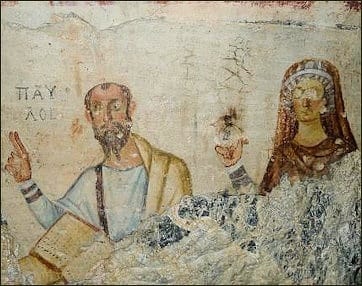
Paul’s Missionary Journeys
Step into the pages of the New Testament and follow the path of the Apostle Paul — one of the most influential figures in early Christianity. From ancient Roman cities in Turkey to key Christian communities in Greece, Paul’s missionary journeys were not only spiritual missions but also unforgettable travels across the Mediterranean world.
For believers and history lovers, rediscovering Paul’s footsteps offers a unique way to experience the Bible through real-world places.
We’ll explore the timeline of Paul’s travels, the cities he visited, the purpose behind his journeys, and how you can visit many of these sites today on a faith-based tour.
1. What Were Paul’s Three Missionary Journeys?
Paul undertook three main missionary journeys and a final voyage to Rome:
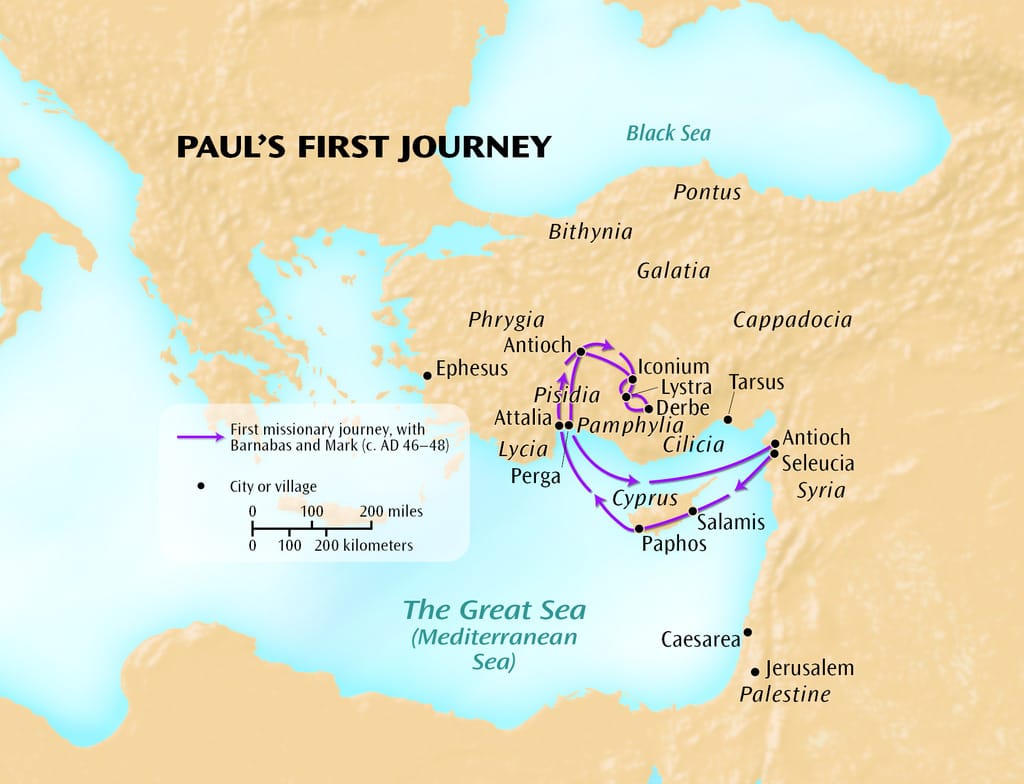
First Missionary Journey (Acts 13–14)
Route: Antioch → Cyprus → Perga → Antioch in Pisidia → Iconium → Lystra → Derbe → back to Antioch
Highlights: Paul (then still called Saul) and Barnabas spread the Gospel among Jews and Gentiles, faced persecution and established new churches.
Notable Stop: Lystra — where Paul was stoned but survived, a powerful moment of faith and resilience.
Second Missionary Journey (Acts 15:36–18:22)
Route: Antioch → Tarsus → Derbe → Lystra → Philippi → Thessalonica → Berea → Athens → Corinth → Ephesus → Jerusalem → Antioch
Highlights: Paul met Timothy, converted Lydia in Philippi and delivered a powerful message at the Areopagus in Athens. Paul visited Ephesus briefly here, which later became one of the central locations in his ministry.
Third Missionary Journey (Acts 18:23–21:17)
Route: Galatia → Phrygia → Ephesus → Macedonia → Greece → Troas → Miletus → Tyre → Caesarea → Jerusalem
Highlights: Paul spent over two years in Ephesus, teaching, addressing false doctrines and strengthening the early Christian community.
2. Why Did St. Paul Go on Missionary Journeys?
Paul believed he was called by God to bring the Gospel to the Gentiles. His goal was to spread the message of Jesus Christ beyond Judea, fulfilling the Great Commission and building the base for a global church.
3. How Many Times Did Paul Travel as a Missionary?
Paul made three major missionary journeys and one final journey to Rome, where he continued to preach while under arrest.
4. What Did Paul Do on His Journeys?
- Preached in synagogues and public squares
- Performed miracles and healings
- Established churches and appointed local leaders
- Wrote letters (Epistles) to new Christian communities
- Encouraged believers to stay strong in faith despite persecution
5. What Are the Key Lessons from Paul’s Travels?
- Perseverance: Paul continued his mission despite rejection, beatings, imprisonment and threats.
- Adaptability: He adjusted his message depending on the audience — speaking to both Jews and Greeks without compromising the Gospel.
- Discipleship & Leadership: He built up communities and mentored new leaders, helping the early Church grow and remain strong.
6. What Was the Conclusion of Paul’s Missionary Journey?
Paul’s journeys ended with his arrest in Jerusalem, followed by trials and his final voyage to Rome. While imprisoned there, he continued to teach and write. Church tradition teaches that he was martyred under Emperor Nero, but his influence lives on through scripture and the churches he helped build.
7. Where in the Bible Are Paul’s Travels Described?
Paul’s missionary journeys are detailed in the Book of Acts (chapters 13–28), with more information in his letters to early churches (Romans, Corinthians, Galatians, etc.).
Timeline of Paul’s Life and Missionary Journeys
| Year (Approx.) | Event |
|---|---|
| AD 5 | Birth of Saul (Paul) in Tarsus |
| AD 33–36 | Conversion on the road to Damascus |
| AD 46–48 | First Missionary Journey |
| AD 49–52 | Second Missionary Journey |
| AD 53–57 | Third Missionary Journey |
| AD 60–62 | Journey to Rome & House Arrest |
| AD 64–67 | Martyrdom in Rome |
Inspired to Follow in Paul’s Footsteps?
Paul’s journeys took him across various regions of the ancient world — preaching, founding churches, and shaping Christian faith for generations to come. Today, many of those locations — from Ephesus to Philippi, Lystra to Corinth — are accessible to travelers looking to connect history with faith.
If you’re considering a biblical tour in Turkey or Greece, we’d love to help you create a custom itinerary that follows Paul’s route. This journey brings scripture to life in unforgettable ways.
For more information about faith and history routes in Turkey, you can also check out our article Pilgrimage Routes in Turkey: A Journey Through Faith and History.
FAQ About Paul’s Missionary Journeys
- What are the main biblical sites to visit on a St. Paul tour in Turkey?
On our biblical tours in Turkey, travelers visit important Christian pilgrimage sites such as:
- Tarsus — St. Paul’s birthplace with landmarks like St. Paul’s Well and Cleopatra’s Gate
- Antioch of Pisidia (Yalvaç) — where Paul preached to Gentiles on his first missionary journey
- Lystra and Derbe (near Konya) — towns where Paul performed miracles and faced persecution
- Iconium (modern Konya) — an early Christian center also known for Rumi and the Whirling Dervishes
To make the most of your biblical journey in Turkey, it’s also helpful to know what to wear during your travels. For practical tips, check out our What to Wear in Turkey guide.
- Are St. Paul tours in Turkey suitable for groups and individual travelers?
Yes, these biblical tours are perfect for church groups, religious educators and faith-based organizations. We offer customizable private and group tour packages to meet different needs and preferences.
- How accessible are the key St. Paul pilgrimage sites in Turkey?
Most biblical sites on St. Paul’s route are easily accessible by car or private transport. Our guided Christian tours in Turkey include comfortable transportation, making it simple to visit remote locations with minimal walking required.
- Can I combine a St. Paul biblical tour with other cultural experiences in Turkey?
Absolutely! For example, Konya, a stop on Paul’s journey, is also famous for its Islamic heritage, including the Whirling Dervishes and the poetry of Rumi. Our private Turkey tours can blend Christian pilgrimage with rich cultural exploration.
- Is it necessary to have a guide for a St. Paul biblical tour in Turkey?
While not mandatory, hiring an expert guide with deep knowledge of biblical history greatly enhances the tour experience. Our guided biblical tours in Turkey bring Scripture to life with detailed explanations and local insights.


